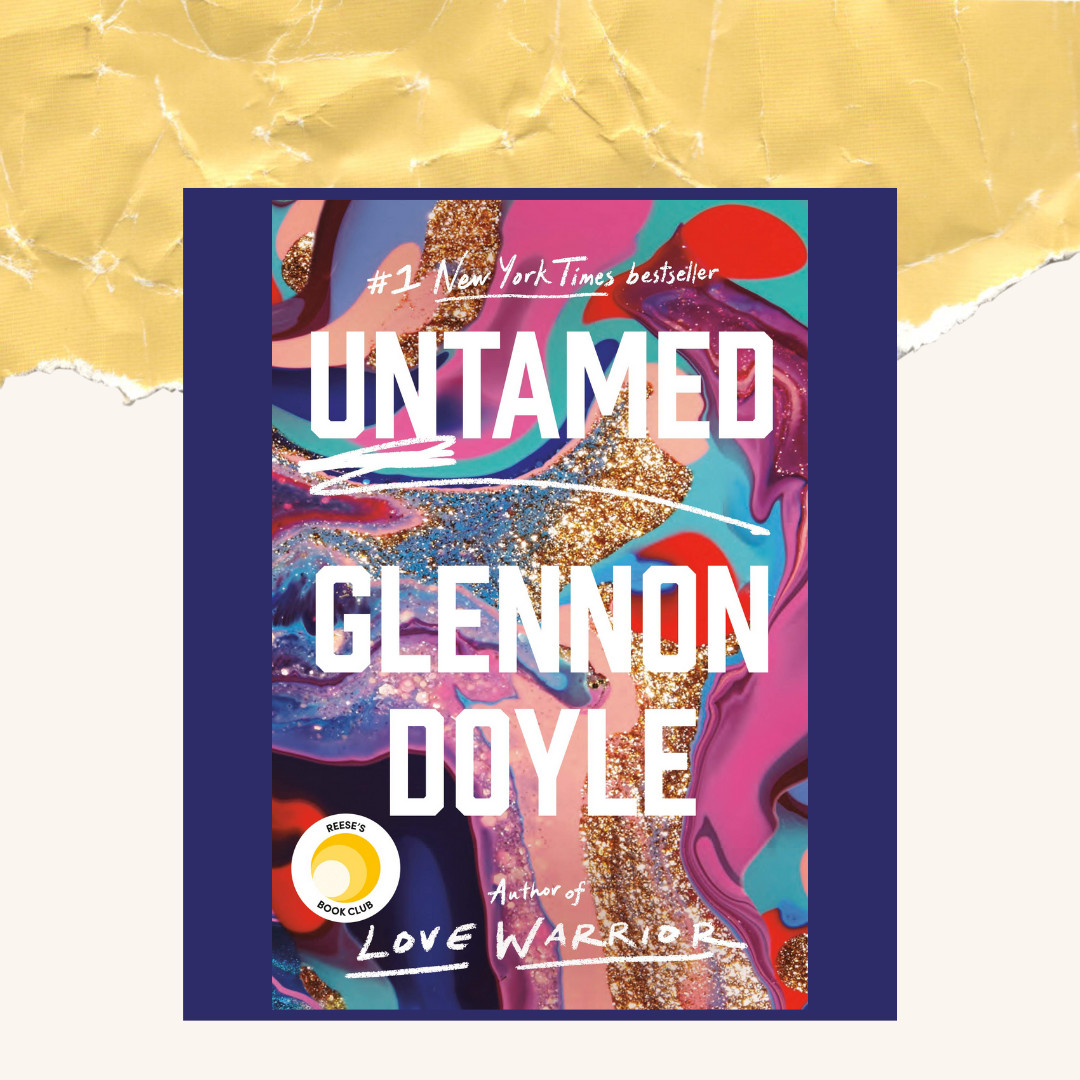
Image: Untamed by Glennon Doyle
2 Stars. Based on the sheer volume of positive reviews that I’ve seen on Goodreads, this is obviously an *~ Unpopular Opinion ~* But I DNF this book @ around 50%.
There are a couple of reasons why I could not finish this text, and I’ll try to be cohesive about what they are.
It’s important to note this is the first time I have ever read anything Glennon Doyle has written, and maybe she’s just not for me and that’s okay. After hearing about this book and seeing the various marketing campaigns for it, my interest piqued. The vast majority of my life I have been drawn to texts that center feminism and female empowerment. As such, I thought that Untamed could be informative and relatable and I’d be able to add it to my collection of White feminism. I greatly enjoyed the introductory material about the Cheetah at the zoo, but that remains pretty much the only thing that resonated with me in what I read.
As I dug into the text, this notion of becoming untamed seemed to be shrouded in quite a lot of privilege that just did not sit right with me. Because of the very nature of social systems, the reality of being unapologetically authentic is that it is often a calculated risk for those with compounded minoritized identities. There is a way that this book could have been really critical and centered intersectionality, in which it acknowledged the consequences of becoming untamed for those who experience multiple oppressions and, in reference to those consequences, gave practical recommendations for implementing unabashed authenticity. From what I read, this practicality of the recommendations was lacking not only for people experiencing minoritized identities but also the privileged audience the book seems to primarily address.
Then, of course, the argument could be made that there is not a necessity to address other identities because the text’s primary purpose is as a memoir. I take issue with that categorization because the memoir components seemed to serve as supportive proof for the author’s main points that were largely lofty, aspirational maxims and diatribes. So instead, as others have pointed out, the text’s tone is much more akin to a self-help book which comes across as conceited and sanctimonious. Where are the actions that can be taken outside of the author’s own lived experience that I can implement in my day-to-day life? Where am I shown anything other than “I started taking ownership of who I am and you should, too!” Turns out this is sort of the book equivalent of a motivational poster, like a kitten on a rope requesting that you “hang in there!”
Even if it is a memoir, which I’m still not convinced that it is, some of the writing presents as dialogic fiction. Of course creative nonfiction requires the use of liberties related to the exact content of conversations. However, Doyle’s approach to dialogue is stilted in such a way that it seems almost as though it belongs in a parable rather than a memoir. The recollection of conversations are presented with such verifiable authority that make many of these anecdotes seem like fairytale transcripts rather than exchanges that happened in real life.
I am not a particularly religious person so I do not feel like I am an authority on how well the Christian components of the text were executed. As such, my last minor complaint about the narrative lies in the author’s description of what it was like to meet her wife. This is where the fairytale motif really solidifies itself as Doyle touts her very own love-at-first-sight experience. For someone who’s thesis is grounded in the necessity of taking ownership of your life and refusing to be confined to the box that society has set aside for you, much of the justification for her own rejection of her tamed socialization seems to rely heavily on something that was “fated” and not chosen. These fallacies are ultimately what made me decide I wouldn’t finish reading, which is not a decision that I make lightly.
Ultimately, this book seems to be quote-fodder, filled with nuggets of wisdom that will look good on an Instagram post but aren’t quite substantive. It’s also got a hell of a cover. I’m optimistic that there are people who do genuinely find some comfort and encouragement throughout the book but unfortunately, that just was not the case for me.
 Katie Bennett Writes